The Art of Slow Living in the Scottish Highlands
Exploring remote stone sanctuaries, peat fires, and silent lochs in Scotland's wild northern stretches.
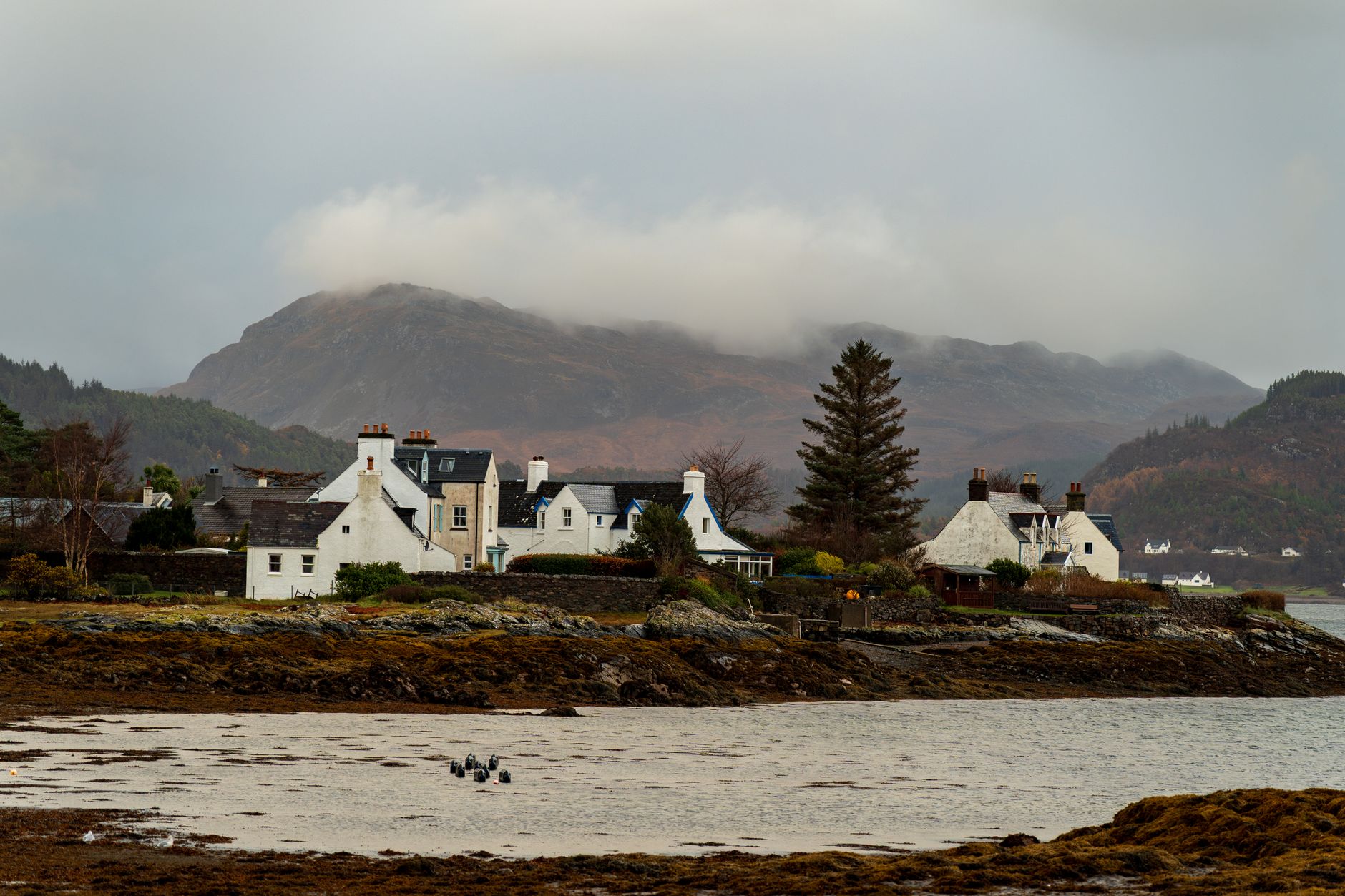
1. Finding Sanctuary in Remote Glen Coe
The morning fog lingers over Glen Coe like a heavy silk curtain. Here, in the rugged northern reaches of Scotland, silence is not merely the absence of noise—it is a tangible presence that demands reverence.
Modern travelers spend too much time rushing between monument markers. In contrast, slow living in the Highlands encourages visitors to stay put. Choosing a century-old stone lodge with thick granite walls and a crackling peat stove offers a front-row seat to the ever-shifting light across the valley.
"To understand the Highlands, one must learn to measure time not by hours, but by the movement of rain clouds over distant peaks."
2. Living Traditions and Local Craft
Beyond the dramatic geology lies a rich human tapestry. Small coastal villages maintain ancient crofting traditions, local wool weaving mills, and artisanal whisky distilleries that refuse to speed up their fermentation cycles for commercial demands.
Visiting a family-operated tweed weaver in Harris reveals how regional natural dyes—derived from heather, lichen, and sea kelp—give Highland textiles their unmistakable earthy tones.
3. Practical Guidance for the Mindful Explorer
When planning your Highland journey, consider visiting during shoulder seasons such as late May or October. The autumn foliage brings rust-colored bracken and crisp golden air, devoid of summer crowds.
Pack durable waterproof woolens, sturdy leather boots, and allow ample days without any strict agenda. True discovery requires room for spontaneous detours down single-track roads.
Explore Scotland with 111111
Allow our editorial team to craft a private, slow-travel itinerary through the remote Scottish glens.