A Culinary Heritage Journey Through Kyoto
Uncovering centuries of kaiseki craftsmanship, quiet tea houses, and seasonal minimalism in Japan's cultural capital.
Article Summary
1. The High Art of Kaiseki Dinners
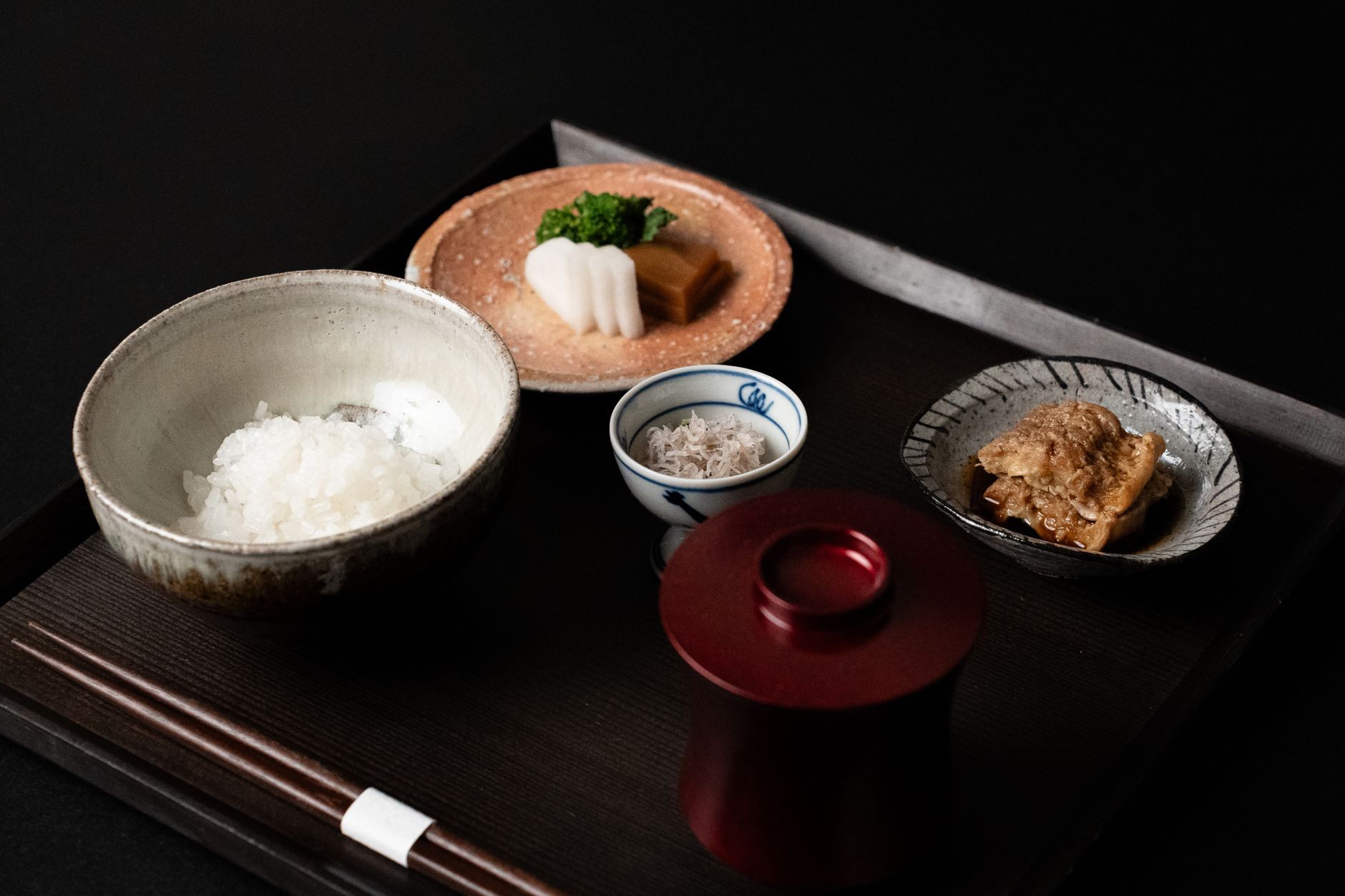
In Kyoto, gastronomy is intimately tied to Zen philosophy and architectural harmony. A traditional multi-course Kaiseki dinner is not merely a feast for the palate, but a choreograph of ceramics, lacquered wood, and hyper-seasonal ingredients.
Master chefs spend decades honing their knife skills and understanding dashi stock balances, ensuring that every dish honors the exact micro-season in which it is served.
2. Quiet Tea Houses of Uji and Gion
Stepping into a historic wooden tea house along the stone alleys of Gion offers an instant sanctuary from the outside world. The ritualistic preparation of matcha tea emphasizes presence, respect, and tranquil contemplation.
3. Respecting Micro-Seasons
Unlike Western culinary calendars based on four broad seasons, classical Japanese culinary traditions recognize twenty-four solar terms. A meal eaten in early November features distinctly different mushrooms, root vegetables, and grilled fish than one served three weeks later.
Discover Culinary Japan
Connect with our editors for custom access to private dining, tea masters, and historic ryokans.